The Ultimate Guide to Yoga Certifications: Navigating Your Teaching Journey
Embarking on the path to becoming a certified yoga teacher is a deeply rewarding, transformative milestone that bridges the gap between personal practice and professional instruction. As the global demand for authentic wellness experiences continues to rise, obtaining a recognizable and respected yoga certification ensures that you possess the necessary alignment skills, anatomical knowledge, and philosophical grounding to guide others safely. However, with thousands of schools, varying training hours, and different styles available worldwide, understanding how yoga certifications work is essential for making an informed decision that aligns perfectly with your long-term spiritual and professional goals.
Understanding the Certification Framework: 200 vs. 500 Hours
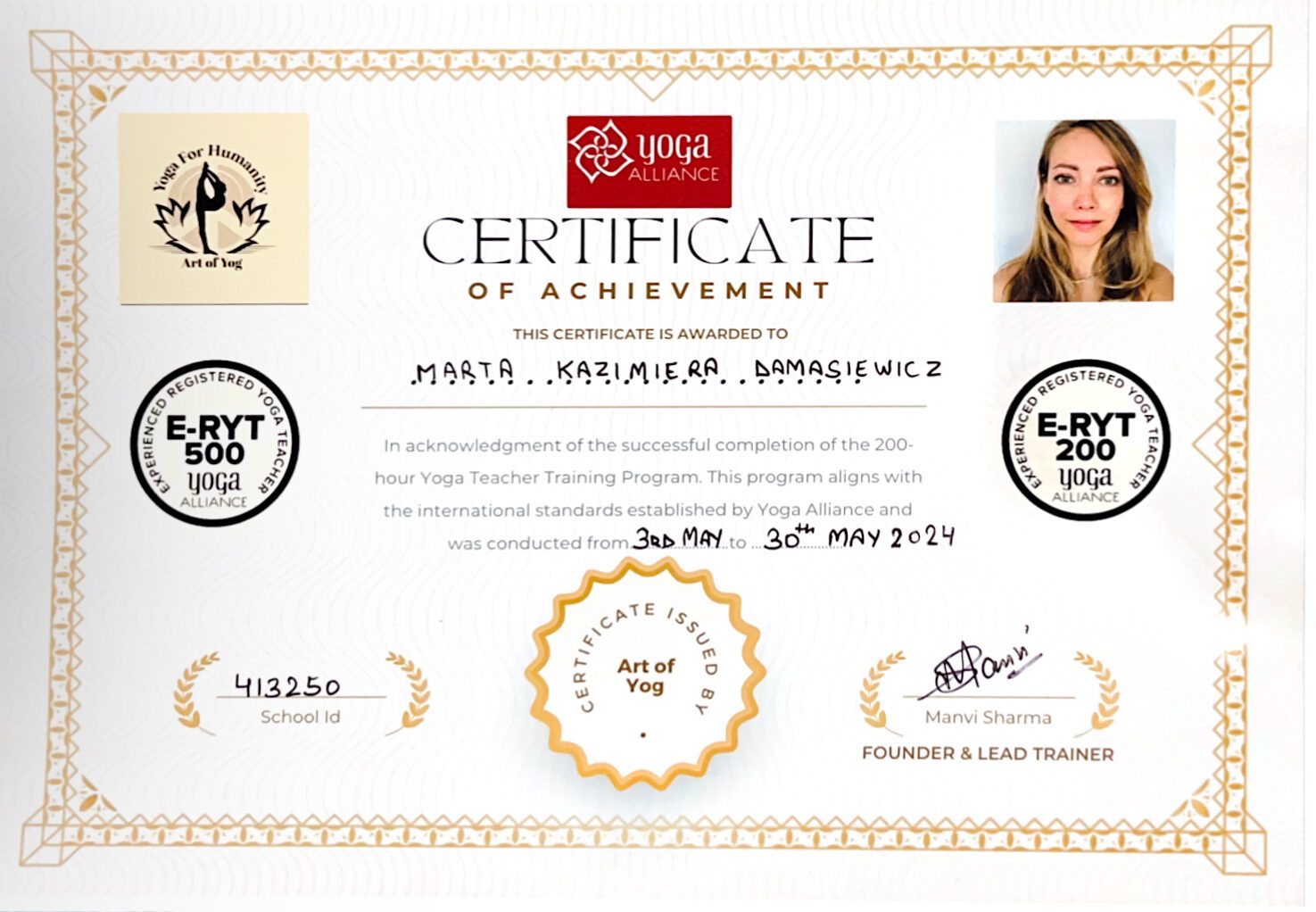
The foundational benchmark for teaching yoga globally is the 200-hour yoga teacher training (YTT). This introductory certification serves as your gateway into the profession, covering the fundamental elements of yoga sequencing, standard asana adjustments, basic human anatomy, and an introduction to traditional texts like the Yoga Sutras of Patanjali. For most studios, fitness centers, and retreat centers, a 200-hour certification is the minimum requirement to lead a public class.
For practitioners looking to deepen their expertise, the 300-hour advanced training acts as the logical next step. It is important to note that a 300-hour course cannot be taken without first completing a 200-hour program. Once you successfully combine both tiers of training, you achieve a comprehensive 500-hour yoga certification. This advanced designation signifies a mastery of intricate pranayama practices, subtle body energy systems, therapeutic applications of yoga, and complex sequencing methodologies, positioning you as an elite educator in a competitive wellness space.
Essential Pillars of a Comprehensive Yoga Curriculum
A truly high-quality certification program goes far beyond learning how to strike a pose. To ensure your education is well-rounded, legitimate certification curriculums are divided into several core competencies:
Asana Practice and Alignment: Developing a safe physical practice by mastering structural alignment, learning key modifications for diverse body types, and understanding contraindications for injuries.
Anatomy and Physiology: Studying the human skeletal, muscular, and nervous systems to learn how movement impacts the physical form and how to prevent injury during adjustments.
Yoga Philosophy and Ethics: Diving into the historical roots of the practice, exploring Vedic philosophy, chanting traditional mantras, and learning the modern code of ethics required of a spiritual leader.
Teaching Methodology: Building practical skills such as voice projection, body language, class pacing, business marketing, and the art of intelligent sequencing.
Choosing Your Path: Online vs. In-Person Training
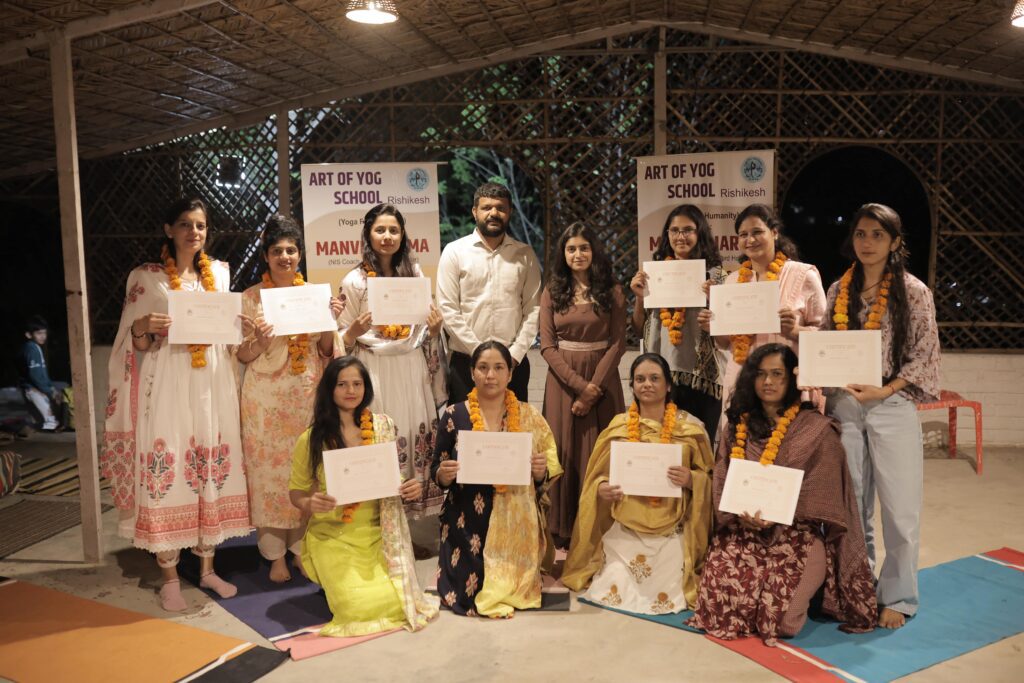
The modern landscape offers unprecedented flexibility in how you earn your credentials. In-person immersive programs—especially those held in traditional spiritual hubs like Rishikesh, India—provide an unparalleled environment where you can completely detach from daily distractions, live a yogic lifestyle, and receive immediate hands-on corrections from master teachers.
Conversely, online yoga certifications have made high-quality education incredibly accessible for busy professionals and parents. Modern virtual training combines pre-recorded anatomy modules with live interactive Zoom sessions, allowing you to study at your own pace from anywhere in the world. When choosing between the two, consider your unique learning style, budget constraints, and whether you thrive better in a physical community or a flexible digital ecosystem.
Diverse Career Paths After Graduation
Earning your certificate is just the beginning of an exciting career journey. Certified teachers are no longer limited to simply teaching drop-in classes at local studios. With a proper credential, you can launch private one-on-one coaching businesses, organize corporate wellness programs for businesses looking to reduce workplace stress, or partner with international resorts to host luxury yoga retreats. Furthermore, many teachers transition into niche specializations—such as prenatal yoga, kids’ yoga, or trauma-informed yoga therapy—allowing them to serve specific populations and maximize their impact.